What Is Reportage Wedding Photography?
If the idea of spending your wedding day being lined up, directed, and pulled away from your guests makes your shoulders go up a bit, reportage might be exactly what you are looking for. What is reportage wedding photography? Put simply, it is a way of photographing a wedding as it naturally unfolds, with real moments, real emotion, and far less interrupting than traditional posed coverage.
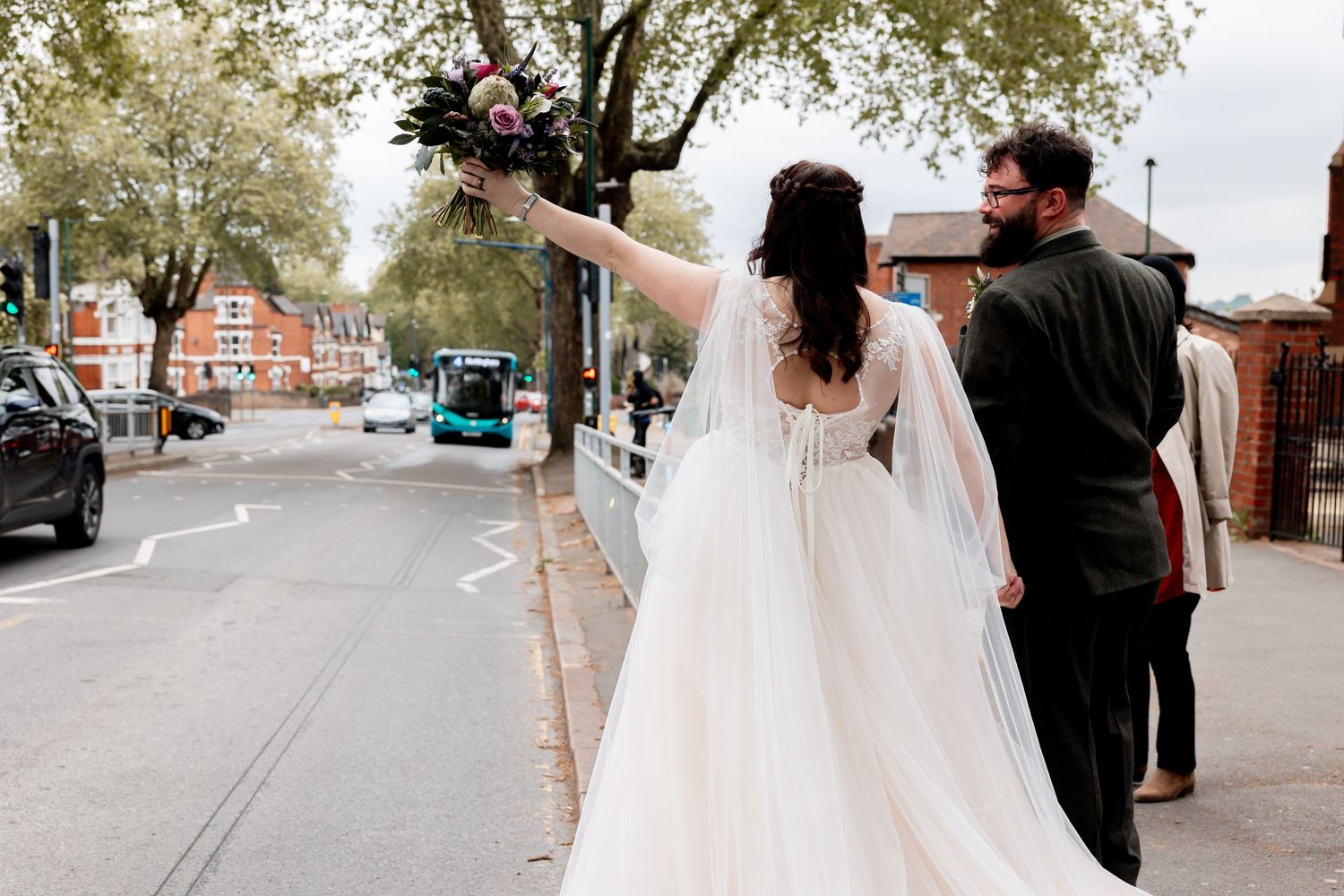
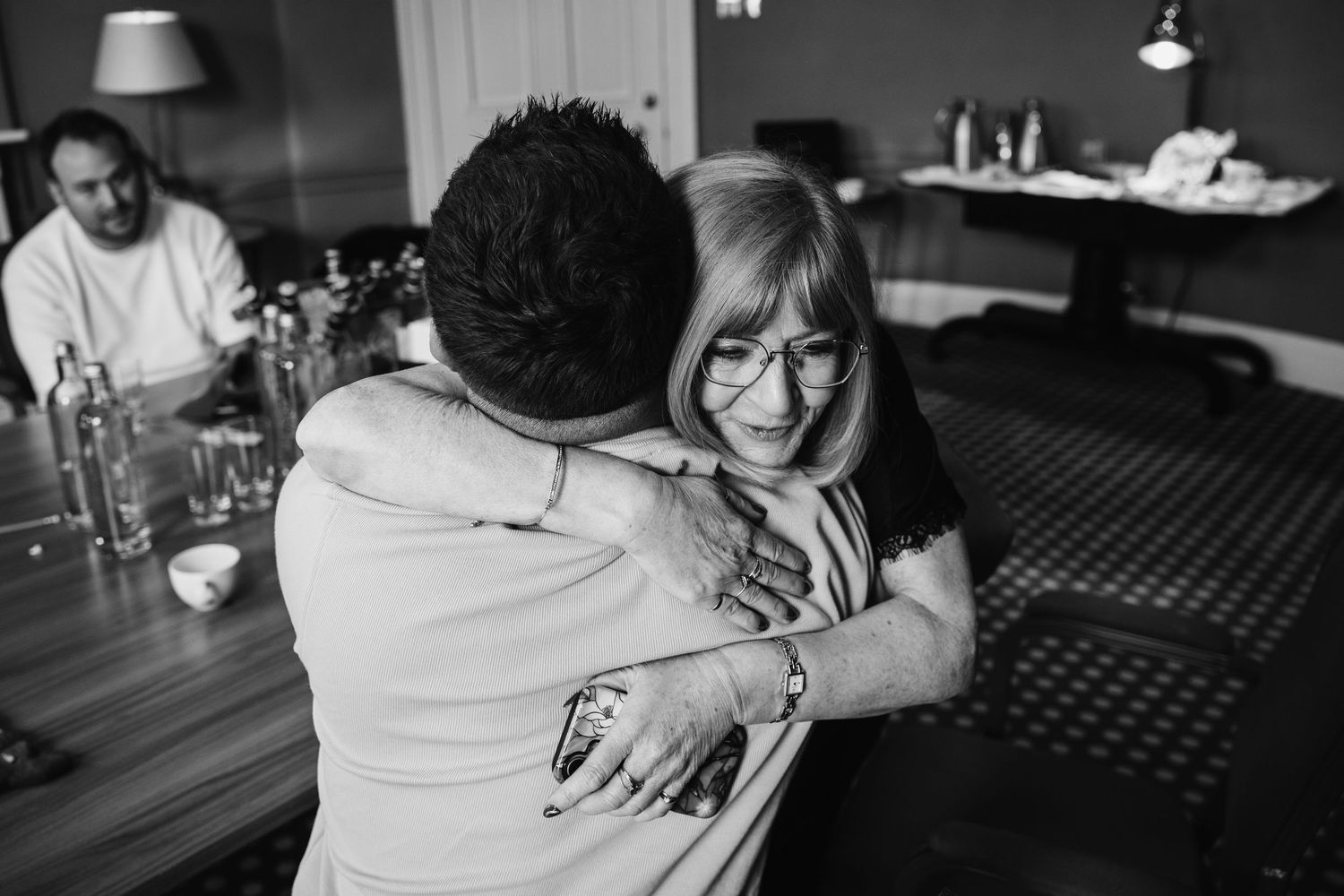
At its heart, reportage wedding photography is about observation. Instead of building the day around the camera, the photographer works around the day. The laughter during morning preparations, the look on your partner’s face during the ceremony, your nan gripping your hand after the vows, your friends losing all composure on the dance floor - these are the moments that matter, and they usually happen when no one is being told what to do.
What is reportage wedding photography in practice?
The word reportage comes from photojournalism. It describes photography that documents events truthfully, rather than staging them for the sake of the image. In weddings, that means your photographer is watching carefully, anticipating moments, and telling the story of the day as it really felt.
That does not mean every photograph is snapped from afar with no involvement at all. Good wedding reportage still takes skill, timing, composition, and an understanding of light. The difference is in the approach. Rather than constantly arranging people, the photographer is looking for genuine interaction, emotion, atmosphere, and those small in-between moments couples often do not even realise happened.
A reportage gallery usually feels alive. You can see the pace of the day, the relationships in the room, and the tiny details that bring memories rushing back. It is less about perfect poses and more about honest storytelling.
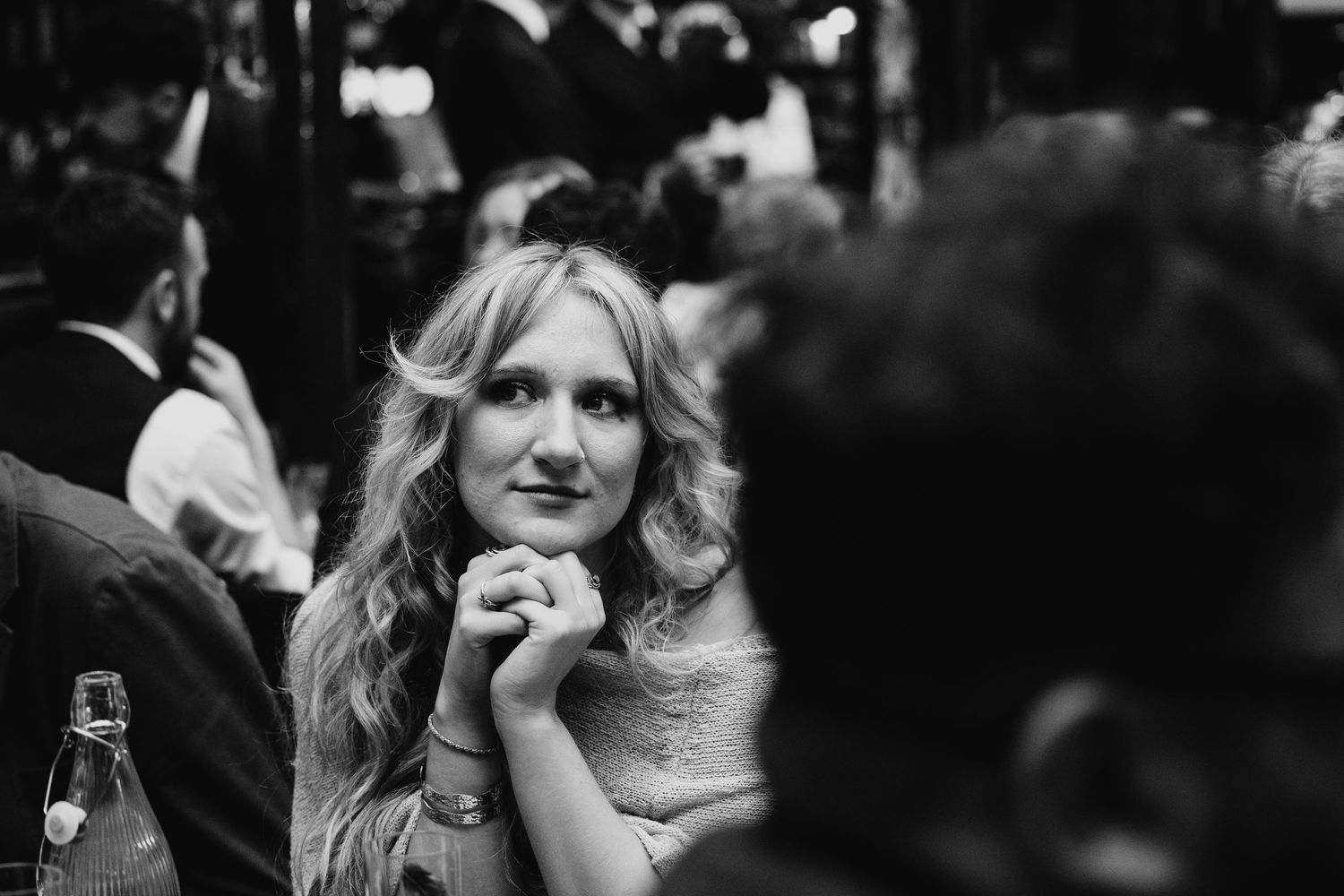
Why so many couples are drawn to it?
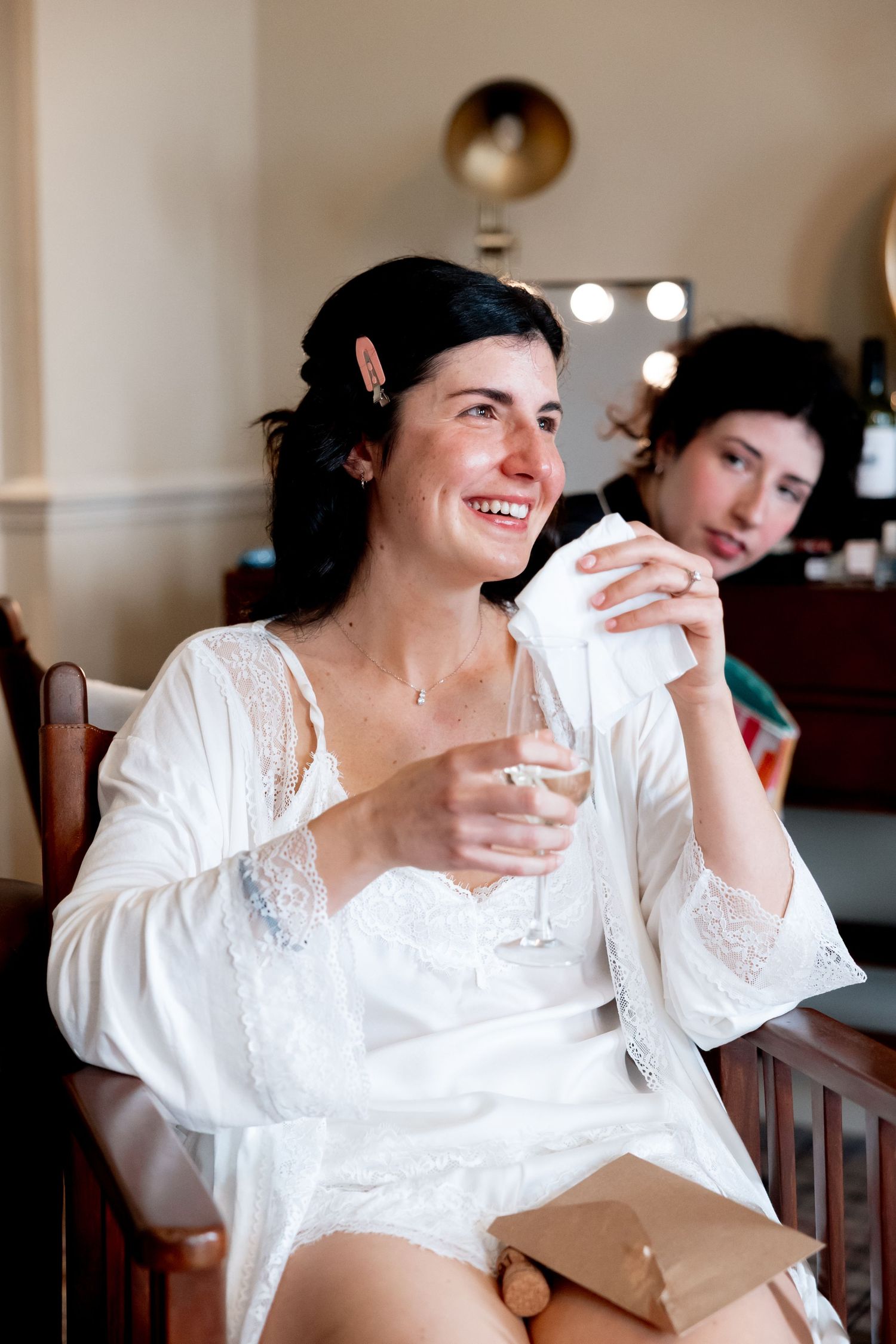
For a lot of couples, the appeal is simple - they want to actually enjoy their wedding. They do not want hours of awkward posing or a day that feels like a photoshoot with a wedding squeezed in around it.
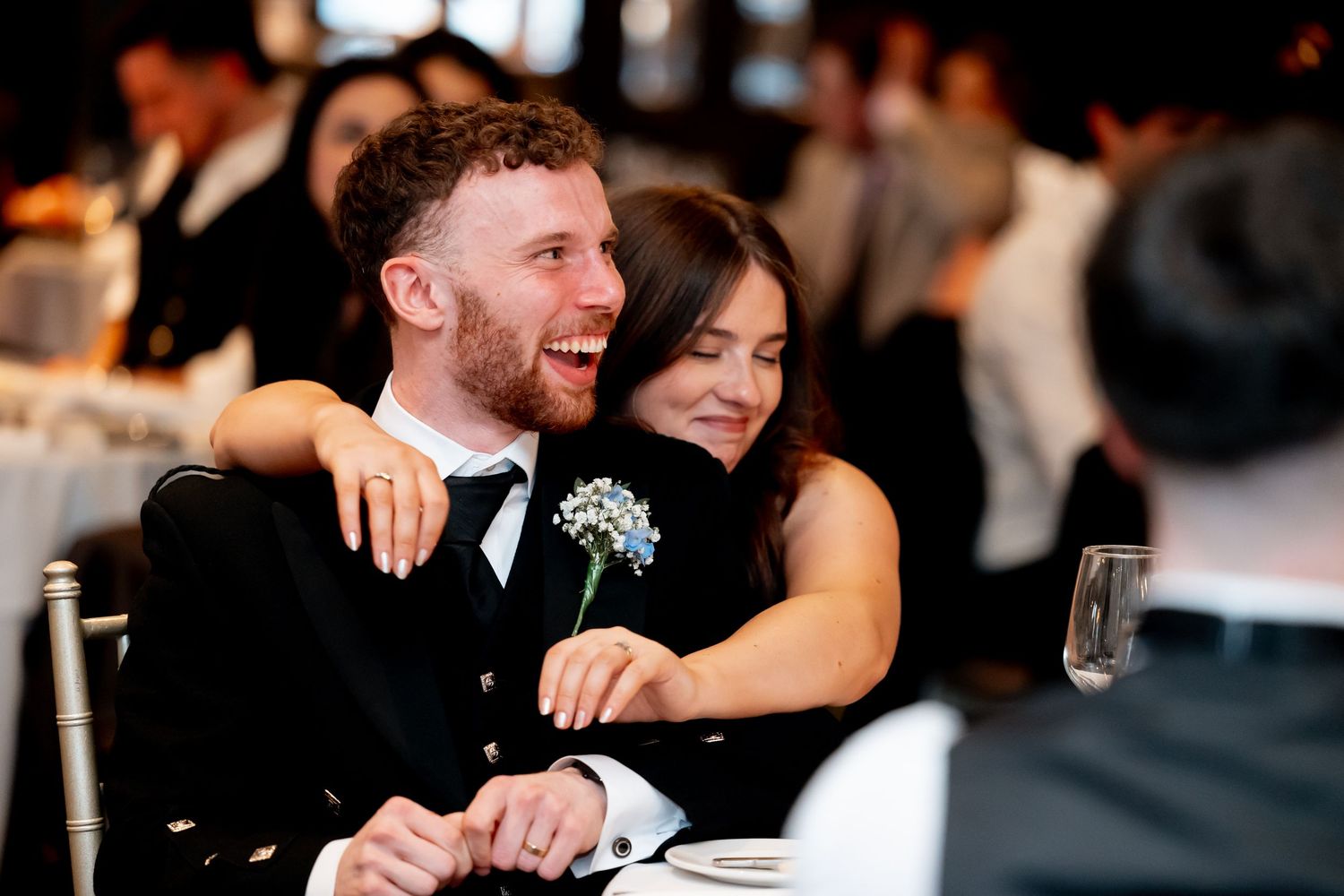
Reportage photography gives you more space to be present. You can hug people properly. You can have a drink, laugh too loudly, cry during the speeches, and spend time with the people you chose to celebrate with. The photographs then reflect that truth back to you.
It is also a brilliant fit if you are not naturally comfortable in front of the camera. Plenty of people worry they are not photogenic when what they really mean is they do not enjoy being posed. Those are two very different things. When you are caught in a real moment rather than performing for the lens, you often look more like yourself - and that is usually far more flattering than trying to hold a smile that does not feel natural.
What makes it different from traditional wedding photography?
Traditional wedding photography tends to be more guided. Think formal group shots, carefully posed portraits, and moments recreated with a bit more control. There is absolutely nothing wrong with that. For some couples, it is exactly what they want.
Reportage takes a lighter touch. The photographer blends in, notices what is happening, and captures it with as little interference as possible. The emphasis is on spontaneity rather than direction.
The biggest difference is not just how the photos look, but how the day feels while they are being taken. If your photographer is constantly stopping you, moving people around, and asking for redos, your experience of the day changes. If they are mostly observing and stepping in only when needed, the rhythm of the wedding stays intact.
That said, most modern wedding photographers do not sit rigidly at one end of the spectrum. Many blend documentary coverage with a small amount of gentle direction for portraits or family photos. In real life, that balance often works beautifully.
Does reportage mean no posed photos at all?
Not necessarily...
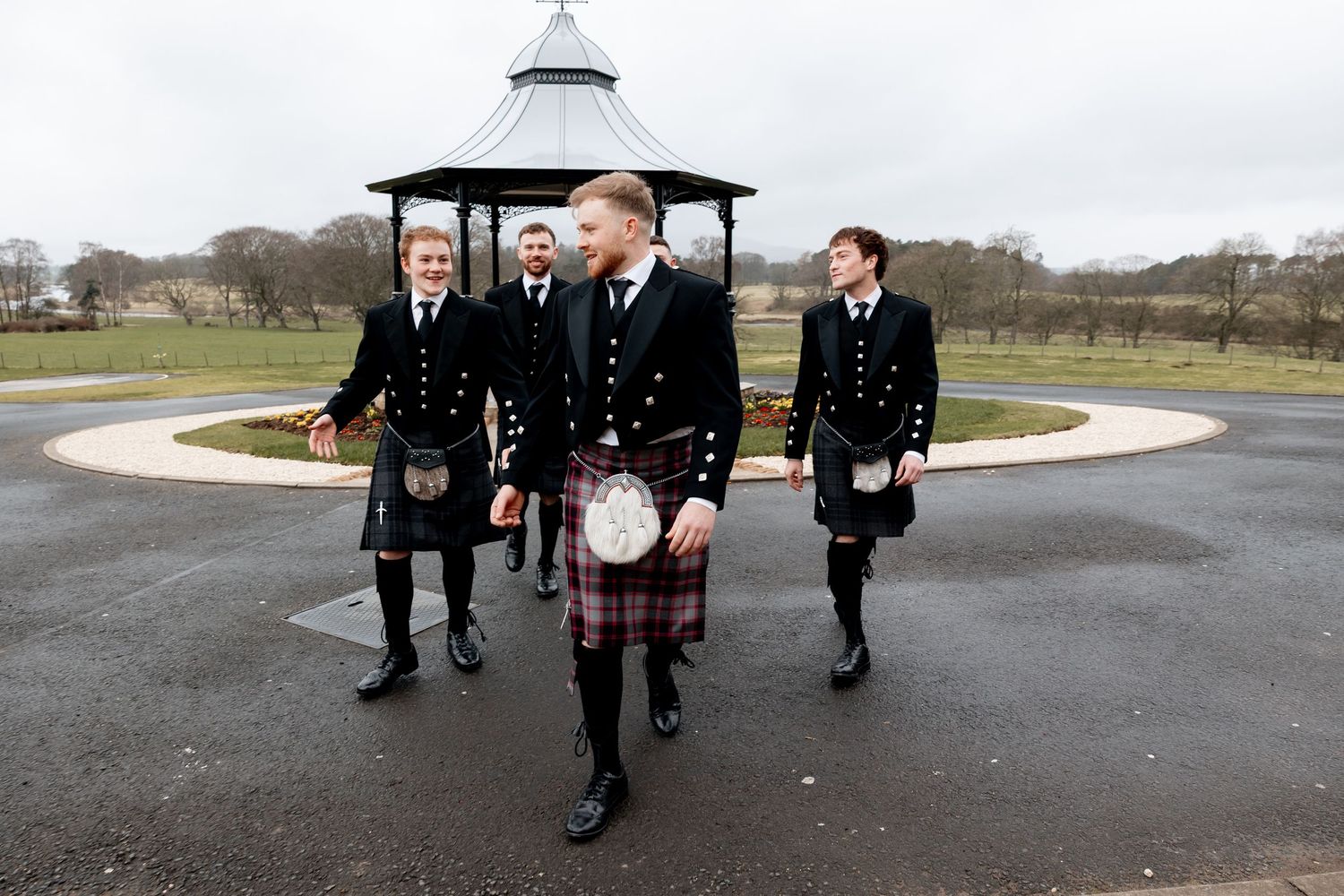
...and this is where a lot of confusion comes in. Choosing reportage wedding photography does not usually mean refusing every group shot or never having a lovely portrait together. It simply means the overall style is led by candid storytelling rather than staged images.
Most couples still want a few family photographs, and many also want some relaxed portraits of the two of them. The difference is in how those portraits are handled. Instead of stiff poses and lots of instructions, a reportage-minded photographer will usually keep things natural, easy, and quick. You might be prompted to walk, chat, hold each other close, or simply take a quiet minute together.
So if you love the idea of natural coverage but still want a handful of frame-worthy portraits, you probably do not have to choose one or the other.
The moments reportage captures best
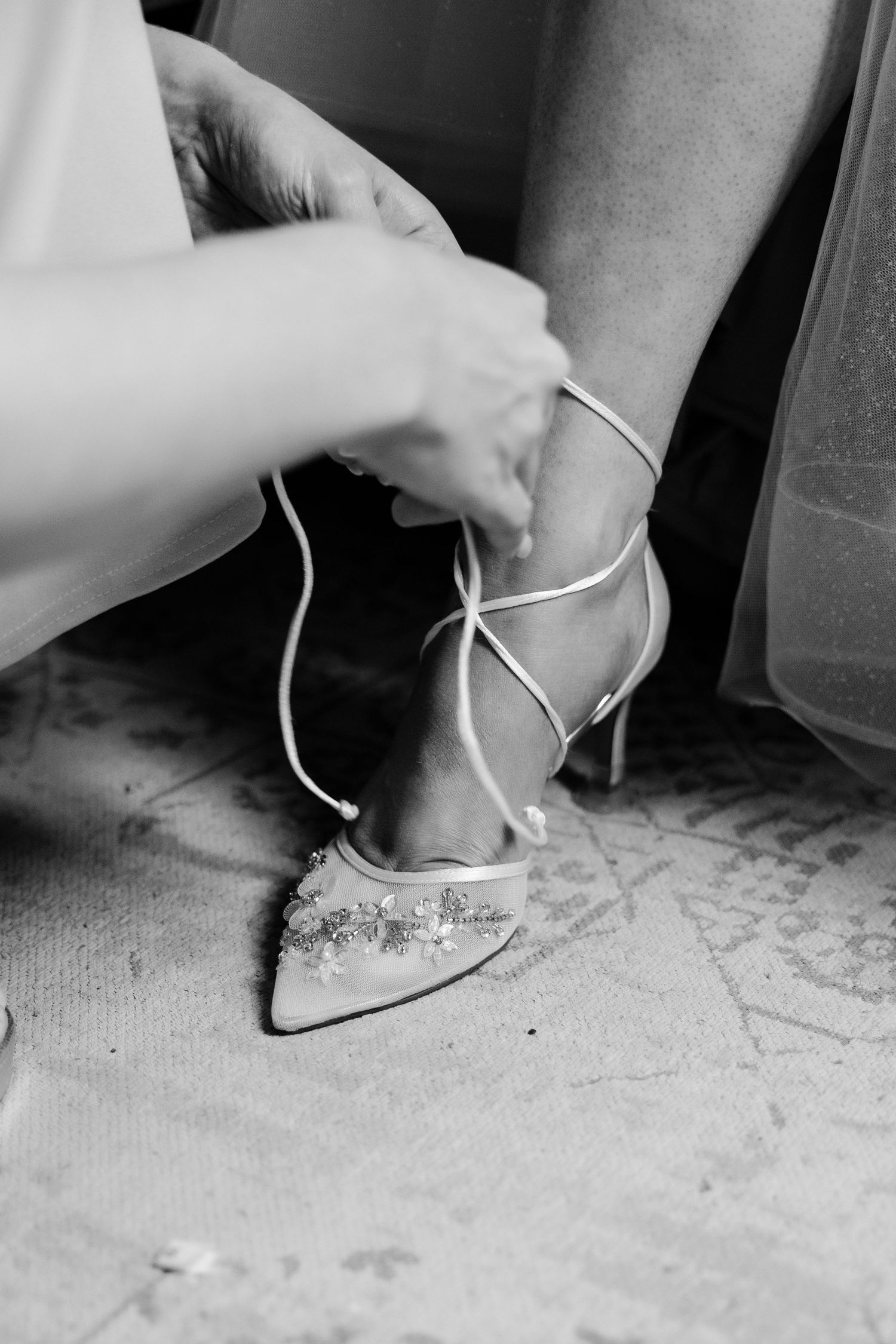
Some parts of a wedding are almost made for documentary photography. Morning preparations have nerves, movement, and little pockets of emotion. Ceremonies are full of fleeting expressions that are impossible to recreate. Speeches bring out laughter, tears, and reactions all over the room, not just from the person holding the microphone.
Then there are the moments couples never fully see on the day itself. Your guests chatting outside while the drinks are flowing. Your parents looking at you when you are not watching. Children making their own rules for the dance floor. These are often the photographs people come back to years later because they hold so much life.
A strong reportage gallery does not just show what happened. It helps you feel it again.
Is reportage wedding photography right for every wedding?
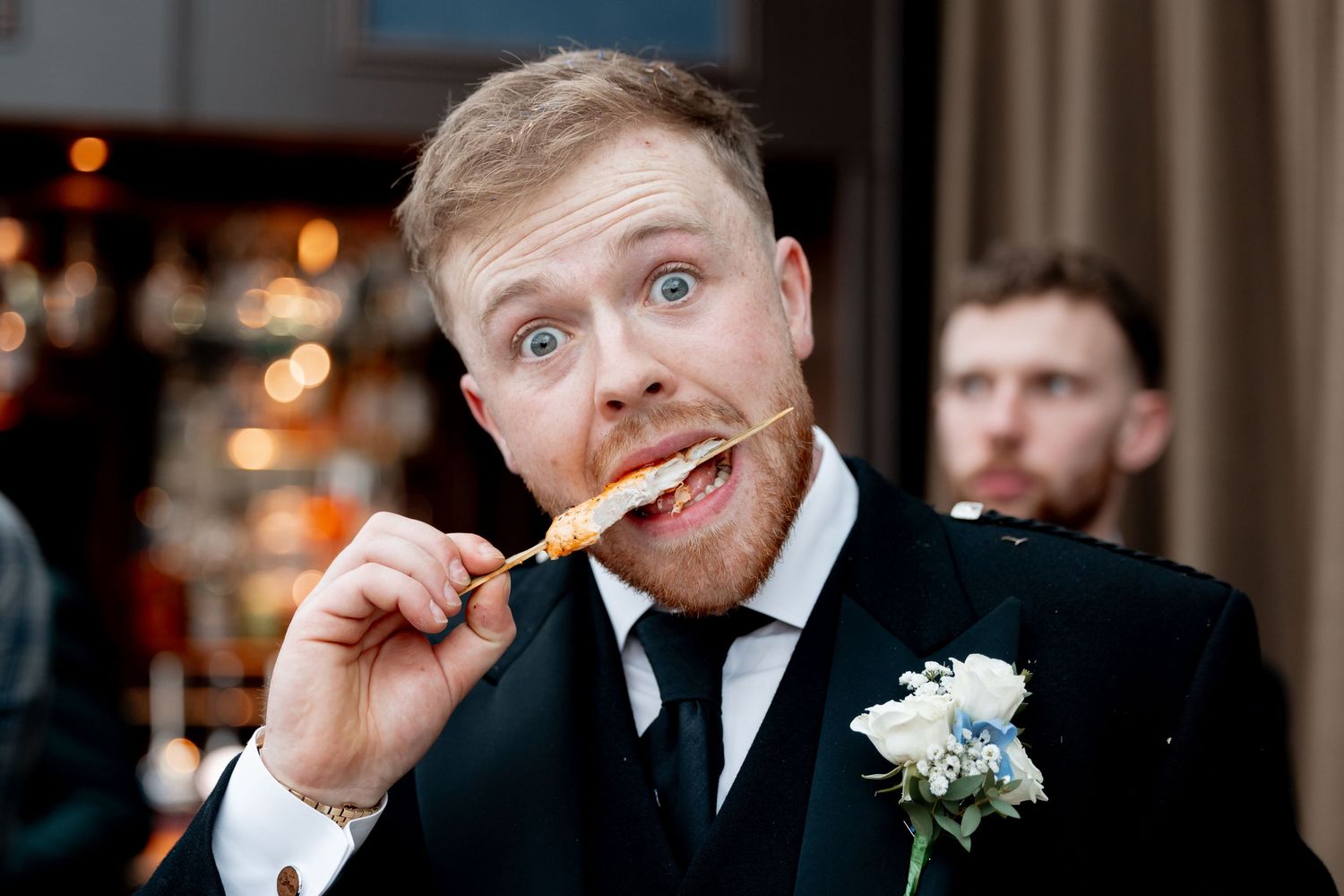
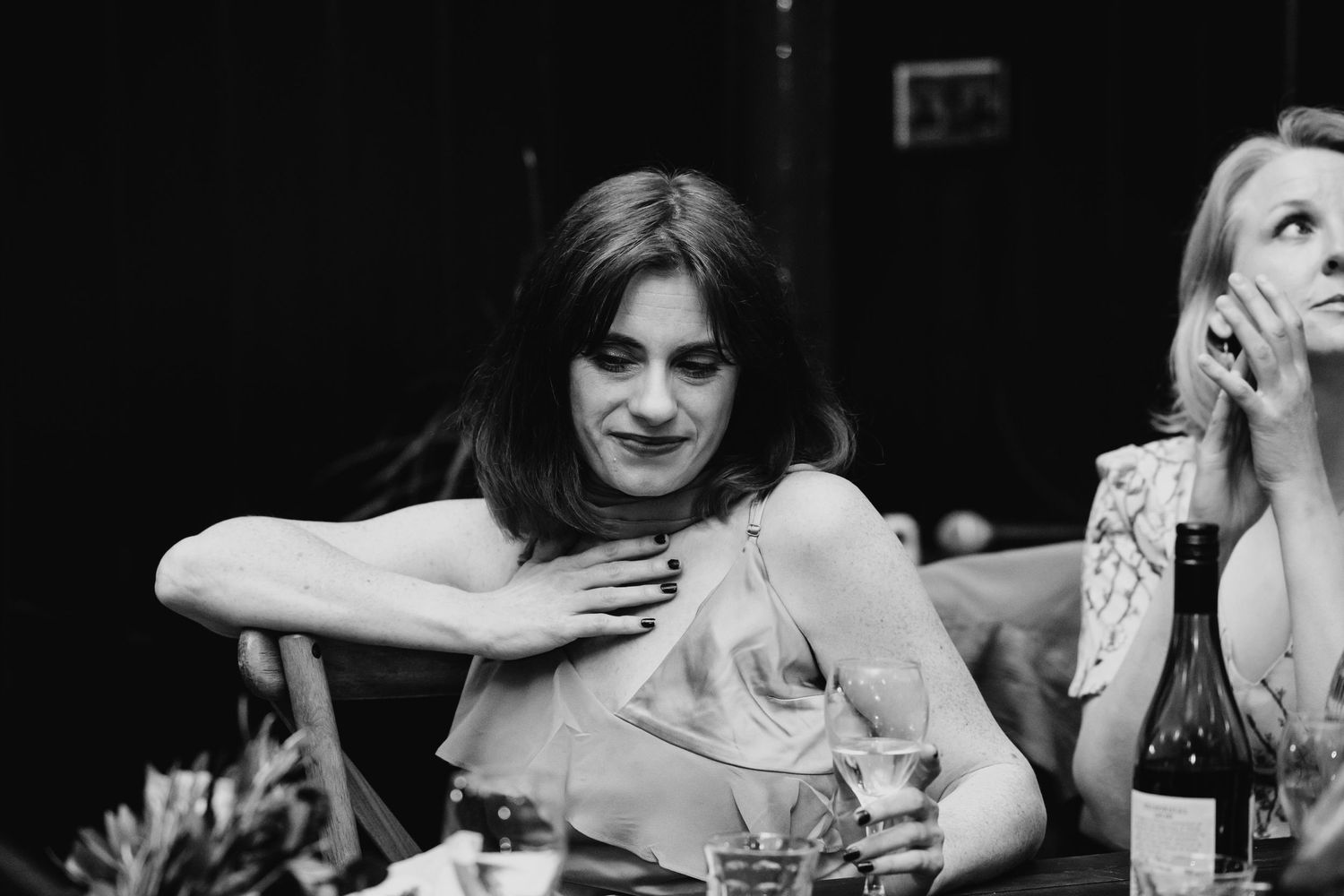
Usually, but not in exactly the same way.
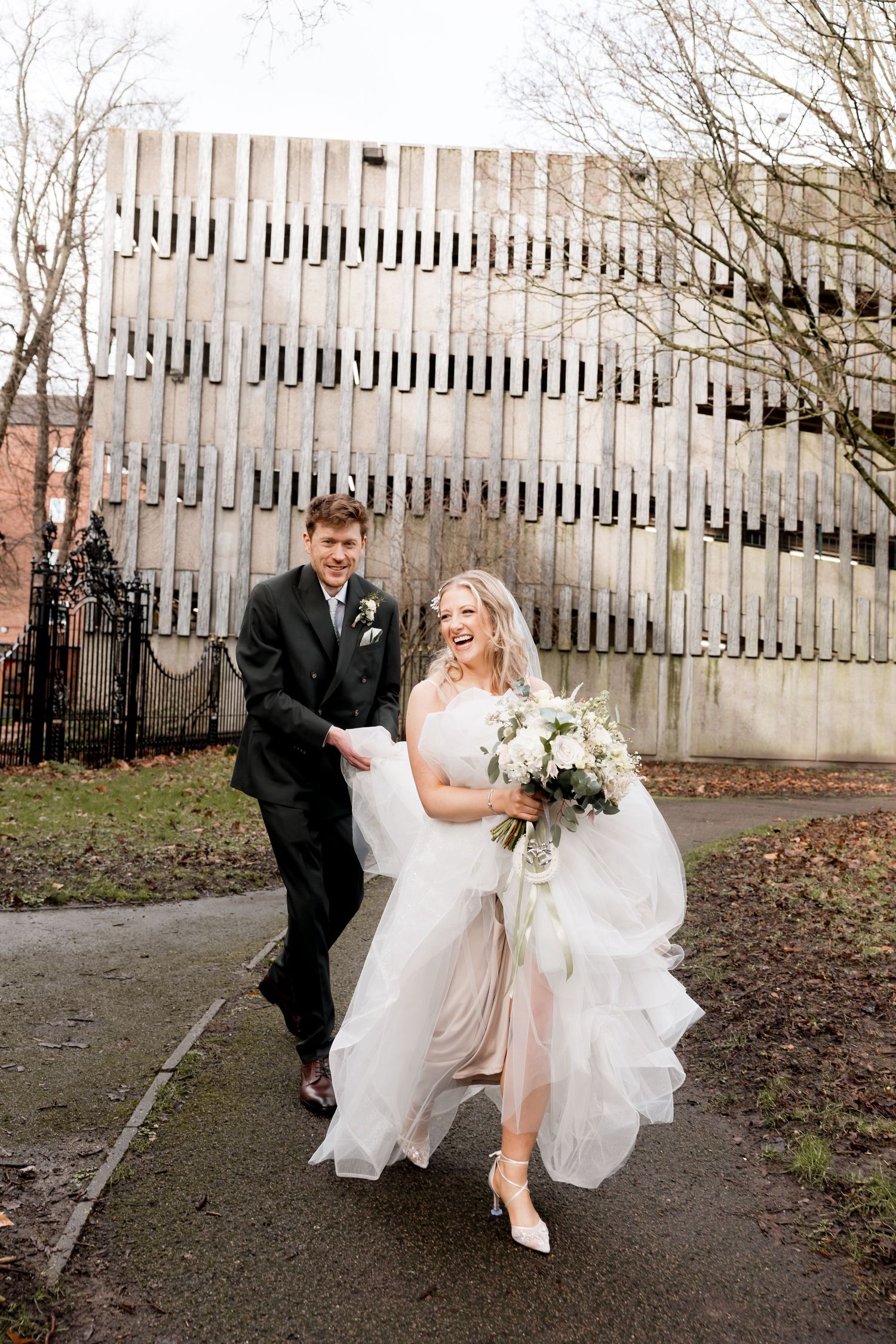
A relaxed barn wedding with lots of outdoor space naturally suits documentary coverage because people mingle and moments unfold easily. A city wedding with a tight schedule can still work beautifully, but the photographer needs to be especially quick, observant, and calm. A large family-heavy wedding may need a bit more structure for group photos. A very intimate ceremony might call for an even lighter presence.
It also depends on you. If you know you really want lots of editorial portraits, highly styled setups, or a long list of must-have staged shots, pure reportage may not be the best fit on its own. If, however, your priority is remembering how the day genuinely felt, it is often exactly the right choice.
The best approach is usually honesty. Think about how you want your wedding day to flow, how comfortable you are being photographed, and what kind of memories matter most to you.
What to look for in a reportage wedding photographer
If you are trying to work out whether a photographer truly shoots in a reportage style, do not just look at a few highlight images. Anyone can capture one or two candid moments. What matters is whether they can tell the story of a full wedding consistently.
Look for galleries with emotional range. You want to see quiet moments, busy scenes, reactions, atmosphere, and connection. Notice whether people look relaxed. Notice whether the images feel observed rather than manufactured.
It is also worth paying attention to how the photographer talks about weddings. Do they speak about real moments, storytelling, and making people feel at ease? Or do they focus mostly on control, posing, and creating content? Neither is wrong, but they lead to different experiences.
Personality matters too. On a wedding day, your photographer is close by for some very personal moments. You need someone who can blend in when needed, step up confidently when helpful, and make you feel comfortable rather than watched. That balance is a huge part of great reportage work.
For couples across Nottingham, Derby, Leicester and the wider Midlands, this often comes down to finding someone whose work feels emotionally honest as well as beautiful. That combination is where documentary-style photography really shines, and it is a big part of why Kat Shot This has made wedding reportage such a central part of its approach.
The beauty of photographs that do not force the moment
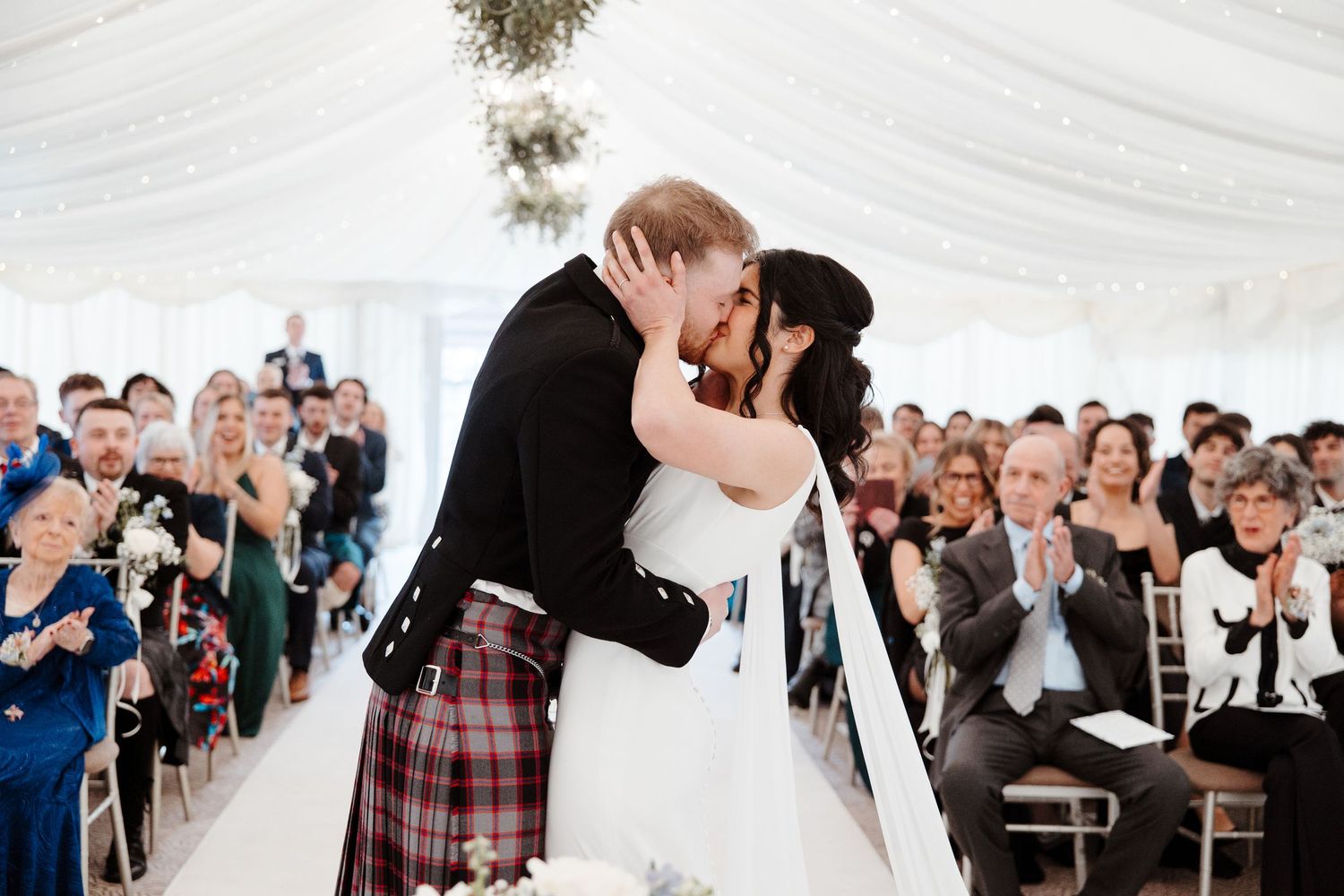
There is something very special about seeing your wedding back without the polish rubbing the feeling away. Reportage photography leaves space for the real texture of the day - the messy, joyful, tender, hilarious bits that cannot be choreographed.
Years from now, you probably will not care whether every napkin was perfectly aligned or whether every smile was camera-ready. You will care about the way your partner looked at you, who cried during the vows, who threw their head back laughing during dinner, and what it felt like to be right there in the middle of it all.
If that is what you want your photographs to hold, reportage is not just a style. It is a way of protecting the truth of the day while you are busy living it.